
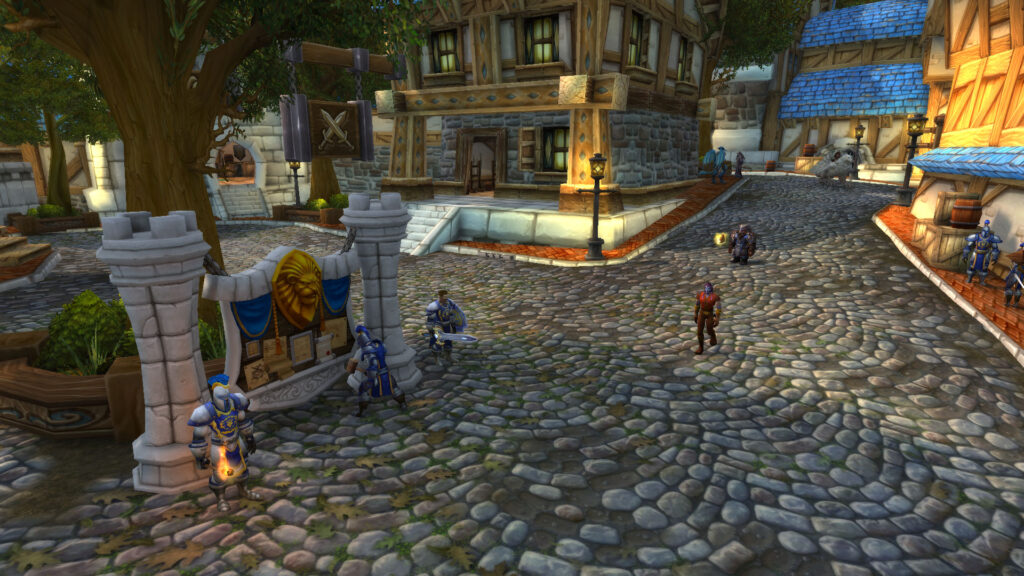

The early days of World of Warcraft (WoW) fostered unique server communities that created lasting social bonds among players. These communities were characterized by shared experiences, collaborative gameplay, and a strong sense of belonging. Players formed guilds, participated in server events, and developed friendships that transcended the game. Understanding the dynamics of these communities can provide valuable insights into the social fabric of online gaming and its impact on player engagement.
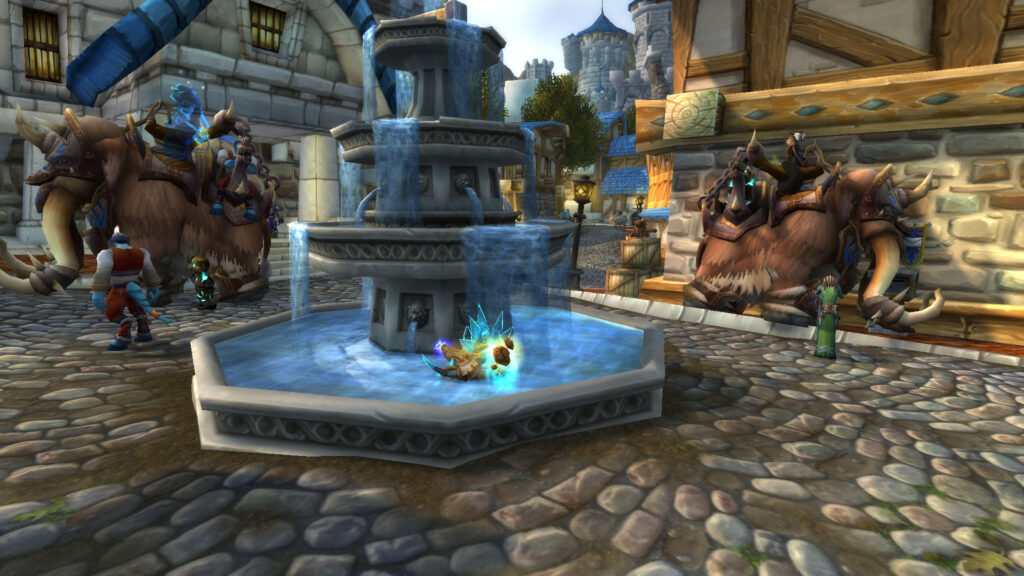
What were the key characteristics of early World of Warcraft server communities?
Early WoW server communities were defined by close-knit interactions, guild formations, and collaborative gameplay experiences.
The metrics that shaped these communities included the number of active guilds, player interactions, and the frequency of server events. The following table outlines some key characteristics of early WoW server communities, illustrating how these factors contributed to strong social bonds among players.
| Active Guilds | Player Interactions | Server Events | Community Engagement |
|---|---|---|---|
| Over 100 per server | Daily interactions in chat | Weekly raid events | High participation rates |
| Guilds with 50+ members | Frequent group quests | Seasonal festivals | Strong social media presence |
| Competitive guilds for PvP | Trade and economy exchanges | Community-driven tournaments | Long-lasting friendships |
How did social interactions shape early WoW server communities?
Social interactions were the backbone of early WoW server communities, fostering a sense of belonging and camaraderie among players.
Players engaged in various forms of social interaction, from casual conversations in chat channels to organized guild events. The game’s design encouraged collaboration, as players needed to work together to complete quests and defeat challenging bosses. This collaborative gameplay created bonds that were strengthened through shared achievements and experiences. The sense of community was further enhanced by the limited server population, which allowed players to become familiar with one another over time.
Mechanically, the game’s reliance on group dynamics meant that players often relied on each other for support, whether in PvE (Player vs. Environment) or PvP (Player vs. Player) scenarios. The need for teamwork in dungeons and raids necessitated communication and coordination, which fostered deeper connections. Additionally, the presence of guilds provided a structured environment for players to form friendships, as guild members often participated in events together, shared resources, and provided emotional support during gameplay.
For example, a guild might organize a raid night where players not only tackled difficult content but also shared personal stories and built rapport. This social structure allowed players to feel valued and connected, leading to a vibrant community atmosphere. Players often reminisced about their experiences, creating a rich tapestry of shared memories that solidified their bonds.
What steps can players take to foster community in their WoW server?
Players can take proactive steps to foster community by engaging in social activities, forming guilds, and participating in server events.
To build a strong community, players should prioritize social engagement and collaboration. This can be achieved through various methods, including joining or creating guilds, participating in server-wide events, and utilizing in-game communication tools. Engaging with other players not only enhances the gaming experience but also helps establish lasting friendships.
- Join an active guild that aligns with your playstyle and values.
- Participate in server events, such as raid nights or PvP tournaments.
- Utilize in-game chat channels to communicate and collaborate with other players.
- Organize social gatherings, such as in-game parties or contests, to strengthen bonds.
By following these steps, players can create an inclusive environment that encourages interaction and collaboration. For instance, a guild could host a weekly event where members share tips and strategies, fostering a culture of learning and support. This not only enhances gameplay but also cultivates a sense of belonging among members.
What are the critical parameters for maintaining a healthy server community?
Maintaining a healthy server community requires active engagement, conflict resolution, and a focus on inclusivity.
To ensure the longevity and health of a server community, players must engage in practices that promote positive interactions and inclusivity. This includes addressing conflicts promptly, encouraging new players to participate, and fostering an environment where everyone feels welcome. Regular communication and feedback mechanisms can help identify issues before they escalate, allowing for a proactive approach to community management.
Additionally, guild leaders and community organizers should prioritize inclusivity by creating events that cater to diverse player interests. This could involve hosting PvE events for casual players while also organizing competitive PvP tournaments for more experienced players. By catering to a wide range of interests, communities can ensure that all players feel valued and included, thus enhancing overall engagement.
For example, a guild could implement a mentorship program where experienced players guide newcomers, helping them acclimate to the game and fostering a sense of belonging. This not only strengthens the community but also enriches the gameplay experience for all members, creating a vibrant and supportive environment.
What common challenges do early WoW server communities face?
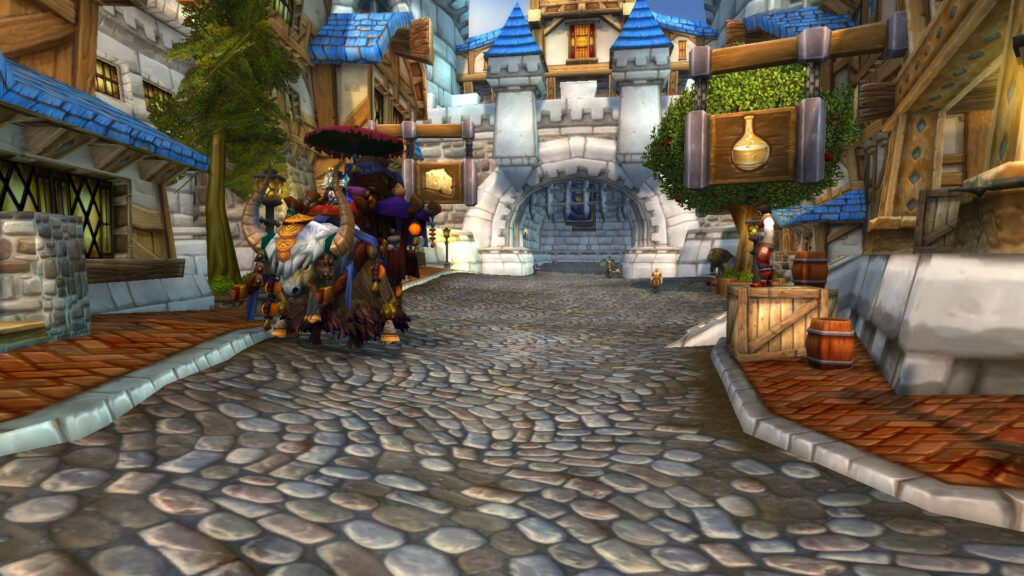
Early WoW server communities often faced challenges such as player retention, conflict resolution, and maintaining engagement.
As server populations fluctuated, communities had to adapt to changes in player dynamics. High turnover rates could lead to a loss of experienced players, resulting in challenges for guilds and community events. Additionally, conflicts could arise due to differing playstyles or competitive tensions, requiring effective conflict resolution strategies to maintain harmony.
To address these challenges, communities should implement clear guidelines for behavior and conflict resolution. Establishing a code of conduct can help set expectations for player interactions and provide a framework for addressing disputes. Furthermore, regular community meetings can facilitate open communication, allowing players to voice concerns and collaborate on solutions.
For instance, a guild could hold monthly meetings to discuss upcoming events, address any issues, and gather feedback from members. This proactive approach can help mitigate potential conflicts and foster a sense of unity within the community, ensuring that players remain engaged and invested in their server experience.
What future trends can we expect in WoW server communities?
Future trends in WoW server communities may include increased emphasis on inclusivity, technological integration, and community-driven content.
As the gaming landscape evolves, server communities are likely to adapt by embracing new technologies and fostering a more inclusive environment. This could involve the use of social media platforms to enhance communication and engagement, as well as the integration of tools that facilitate collaboration among players.
Moreover, community-driven content, such as player-created events and challenges, may become more prevalent. This trend allows players to take an active role in shaping their gaming experience, fostering a sense of ownership and investment in the community. By encouraging creativity and collaboration, server communities can thrive and evolve to meet the needs of their members.
For example, a server might implement a system where players can propose and vote on community events, ensuring that activities reflect the interests of the player base. This participatory approach not only enhances engagement but also strengthens the bonds among players, creating a vibrant and dynamic community.
Leave a Reply