
Introduction. Beneath the epic battles and grand storylines of World of Warcraft lies one of gaming’s most effective—and unexpected—leadership simulators. Through guild management and raiding organization, WoW quietly teaches lessons in communication, motivation, strategy, and resilience. Players who step into leadership roles often find themselves developing real-world management skills without realizing it. Whether guiding a raid through a night of wipes or maintaining harmony in a 200-member guild, the responsibilities mirror those of any team leader or project manager.
This article explores how WoW’s systems naturally cultivate leadership abilities, why guilds serve as social laboratories, and what these digital experiences reveal about human cooperation and organization.
Guilds as Microcosms of Leadership
At their core, guilds are social ecosystems governed by trust and purpose. A guild leader acts as organizer, diplomat, and motivator—balancing personalities while pursuing collective goals. Recruitment, conflict resolution, and event scheduling all require empathy and structure. In this sense, WoW transforms entertainment into social practice, where leadership is learned through trial, feedback, and adaptation.
The most successful guilds don’t thrive on strict authority but shared vision. Leaders learn quickly that collaboration and transparency inspire loyalty better than commands. Maintaining morale after setbacks, celebrating success, and fostering inclusion all mirror the behaviors of effective real-world management. WoW makes leadership tangible—rewarded not with titles, but with unity.
Raiding: The Classroom of Coordination
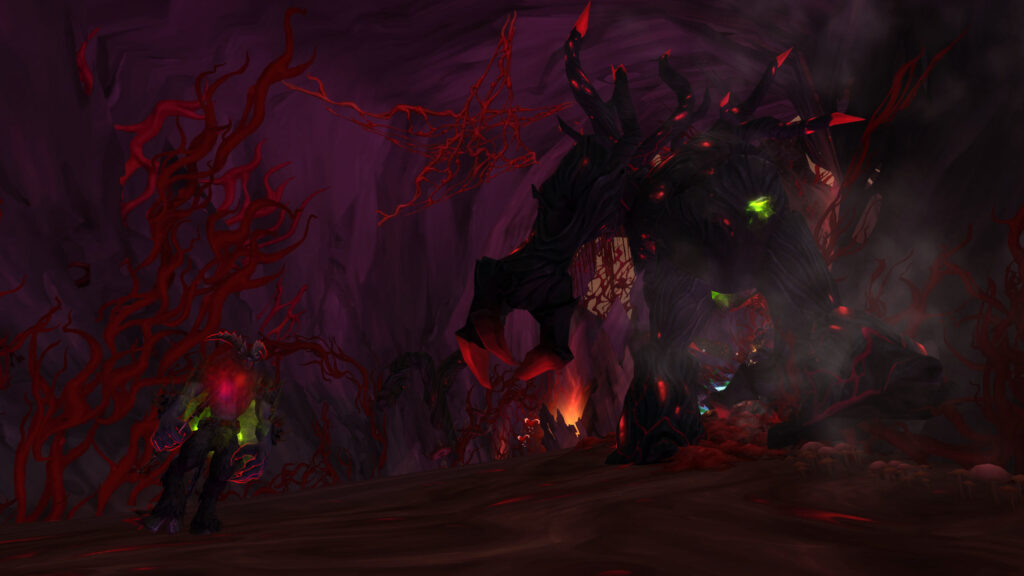
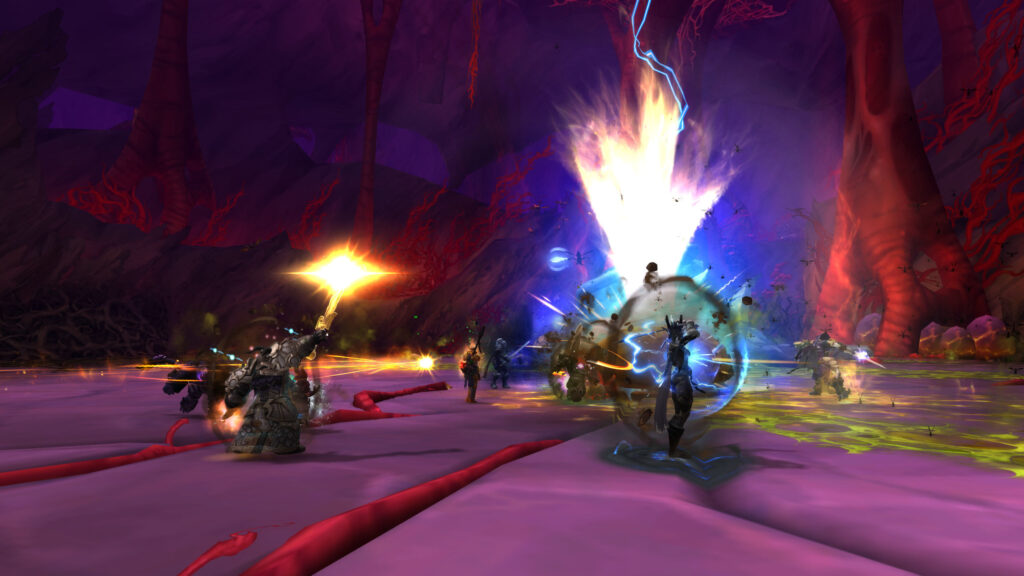
Raiding is where leadership in WoW becomes an art form. Every encounter challenges not only mechanical skill but also teamwork and decision-making. Raid leaders must delegate responsibilities, interpret feedback, and adapt strategies on the fly. One mistimed call or unclear instruction can lead to a wipe, forcing reflection and adjustment. Over time, these experiences build emotional intelligence and strategic awareness that few traditional games demand.
Beyond mechanics, raiding teaches patience and empathy. Leaders learn to recognize fatigue, manage tension, and encourage persistence after failure. The process transforms frustration into growth—both for individuals and the group. Every cleared boss becomes not just a reward, but a reflection of leadership’s invisible work.
Communication and Team Psychology
Effective leadership in WoW depends on clear communication. Voice chat coordination, text-based discussions, and raid callouts foster skills in concise instruction and feedback. Leaders must balance authority with openness, knowing when to command and when to listen. This two-way communication keeps morale stable and ensures everyone feels heard, even amid chaos.
Team psychology also plays a critical role. Successful guild leaders learn to identify what motivates different players—some chase loot, others camaraderie, others mastery. Balancing these motivations is key to retention and engagement, echoing management strategies found in business and education alike.
- Conflict Mediation: Leaders manage interpersonal disputes through empathy and fairness.
- Strategic Planning: Coordinating events, resources, and progression goals fosters long-term thinking.
- Delegation: Assigning roles ensures efficiency and shared responsibility during complex encounters.
- Emotional Regulation: Maintaining composure under pressure stabilizes team morale during setbacks.
- Motivation: Recognizing effort and celebrating success reinforces positive participation.
Leadership Beyond the Game
Many players find that the lessons learned in WoW carry into their professional and personal lives. The ability to communicate effectively, manage expectations, and navigate group dynamics proves transferable to real-world teamwork. Former guild leaders often note that WoW trained them to organize complex projects, deliver feedback constructively, and stay calm under stress—all essential leadership qualities.
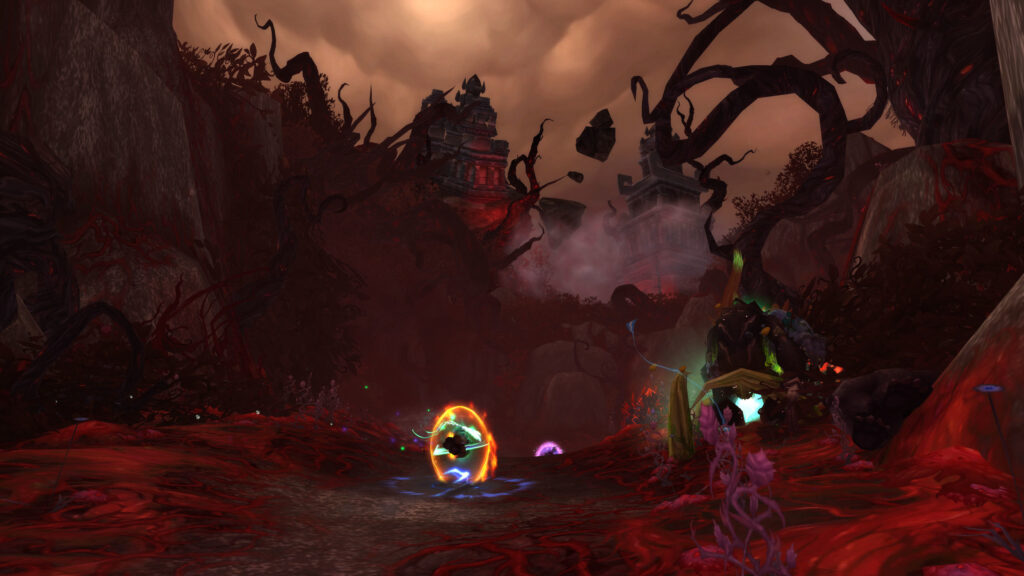
In this way, Azeroth becomes a digital training ground for leadership. Its lessons are subtle but enduring, embedded in the rhythms of play and cooperation. Through countless raids, meetings, and moments of decision, WoW transforms players into leaders capable of guiding others—both in-game and beyond.
Conclusion
Leadership in World of Warcraft doesn’t rely on authority—it grows from empathy, strategy, and shared vision. By managing guilds, organizing raids, and nurturing community, players develop skills that transcend the game’s boundaries.
WoW’s cooperative structure quietly teaches what no tutorial ever could: that true leadership is not about commanding others, but empowering them to succeed together.
Leave a Reply