


Introduction
Having extra WoW SoD Gold lets you improve your gear quickly and keep up with new content in Season of Discovery. Instead of farming materials or hoping for lucky drops, you can use gold to buy the exact enchants, gems, and special trinkets you need. This speeds up your progress, raises your damage or healing, and keeps you ready for group activities without delay.
In this guide, you will learn how to pick the most impactful gear slots, calculate how much gold each upgrade needs, and compare different upgrade types to get the best stat boost for your investment. You’ll also see which enchants and socket gems offer the best value, how to stock crafting materials for in-session upgrades, and how to set a simple budget that keeps your gold flow steady. By the end of this article, you’ll have a clear plan for spending WoW SoD Gold on gear upgrades that match your class role and play style, all without extra effort farming or waiting for drops.
Identify Your Upgrade Priorities
To start, list the gear slots that improve your performance the most. For damage dealers, focus first on your weapon, then on your chest piece and trinkets. Healers get the biggest benefit from a strong main hand weapon or off hand item, followed by leg enchants and head socket gems. Tanks often need a solid weapon enchant, a chest socket gem for stamina, and a high-value trinket that boosts defense or dodge.

Write down each slot in order of impact: weapon, chest, trinkets, bracers, and then head or legs. This rank list helps you use your gold where it counts most, rather than spreading it thin across every slot. By having a clear priority list—based on whether you deal damage, heal, or tank—you avoid spending gold on low-impact upgrades. This step sets the foundation for a gold plan that improves your main stats in the shortest time and with the least gold spent.
Calculate Gold Needed for Each Slot
Once you have your priority list, check current in-game prices for the upgrade types you need: enchants, socket gems, and runed trinkets. Use the auction house to note low, average, and high prices for each item and create a simple table like the one below:
| Slot | Upgrade Type | Price Range (Gold) |
|---|---|---|
| Weapon | Enchant | 500 – 700 |
| Chest | Socket Gems | 200 – 300 per gem |
| Trinkets | Runed Trinket | 800 – 1,200 |
| Bracers | Enchant | 300 – 400 |
| Head/Legs | Socket Gem | 150 – 250 per gem |
Add a buffer of about 10–15 percent to each range to cover price shifts or extra fees. For example, if a weapon enchant averages 600 gold, plan for about 690 gold. If chest gems average 250 gold each and you need two, estimate 2 × 250 = 500, plus 15 percent buffer equals 575 gold. Sum all buffered estimates to get your total gold target. This clear, numbers-based approach prevents surprises and lets you fund each upgrade cycle with a single gold total. You’ll know exactly how much WoW SoD Gold to have on hand before you start buying upgrades.
Compare Upgrade Types
When you plan to spend WoW SoD Gold on gear upgrades, it helps to compare the three main upgrade types—enchants, socket gems, and runed trinkets—to see which gives the most boost for your investment. Enchants add a fixed boost to a single slot on a piece of gear, such as +50 stamina or +20 intellect, and tend to cost between 300 and 700 gold depending on the slot.

Socket gems fit into empty sockets and scale with your gear level; they grant flat or percentage boosts and usually run 150 to 350 gold each. Runed trinkets are standalone items that grant an always-on bonus, such as extra critical strike rating or haste, and these often cost 800 to 1,200 gold. To weigh these options side by side, look at how much stat gain you get per gold spent and how many applications you can make:
| Upgrade Type | Stat Gain per Gold | Purchase Size | Flexibility |
|---|---|---|---|
| Enchant | Medium | One slot | Fixed bonus |
| Socket Gem | High | Per socket | Can mix gem types |
| Runed Trinket | Low to Medium | Full trinket item | Portable bonus |
If you have multiple empty sockets, socket gems often deliver the best total stat gain for your gold. If you only need one key slot buffed, an enchant may be the faster route. Trinkets work best when you want a bonus you can carry across all your gear without swapping items. By matching your needs—whether it’s a one-time boost on your chest piece, filling two empty sockets, or adding a passive bonus that follows you—you make sure each piece of WoW SoD Gold goes to the upgrade type with the highest return for your play style.
Top Enchants to Buy with Gold
Once you decide that enchants fit your upgrade plan, focus on those that offer the highest value for each major slot. While every class and role has unique needs, certain enchants stand out across the board because they boost core stats effectively and cost under 700 gold. Below is a list of key enchants, their typical gold cost, and the main stat gain they provide:
- Weapon – Crusader
- Effect: Heals you and nearby allies on hit
- Cost: 600–700 gold
- Why it works: Adds both damage and survivability benefits
- Chest – Greater Stamina
- Effect: +50 stamina
- Cost: 500–600 gold
- Why it works: High health gain for tanks and PvP players
- Bracers – Superior Stamina
- Effect: +23 stamina
- Cost: 300–400 gold
- Why it works: Affordable way to boost health in every encounter
- Legs – Minor Agility
- Effect: +15 agility
- Cost: 350–450 gold
- Why it works: Solid DPS boost for rogues and hunters
- Boots – Minor Speed
- Effect: +8% run speed
- Cost: 400–500 gold
- Why it works: Cuts travel and reposition time in both solo and group content
- Shield – Greater Stamina
- Effect: +50 stamina
- Cost: 550–650 gold
- Why it works: Critical for plate wearers to raise durability
Work down this list in order of your priority slots. If your weapon damage or tank survival matters most, start with Crusader on your main hand, then move to chest. Having these enchants ready means you spend your gold on proven gains that directly lift your performance in dungeons and group challenges.
Best Socket Gems for Your Gear
Socket gems can out-perform certain enchants when you have multiple open sockets or need flexible stats. Gems come in several colors and stat mixes, so pick those that match your class and role. Below is a table of top gem picks, their stat bonus, and average cost:
| Gem Name | Slot Color | Stat Bonus | Cost (Gold) |
|---|---|---|---|
| Runed Blood Garnet | Red | +4 strength +2 crit | 300 |
| Glimmering Shadow Crystal | Yellow | +5 agility | 350 |
| Sovereign Twilight Opal | Orange | +3 strength +3 agility | 320 |
| Enduring Talasite | Blue | +4 stamina | 200 |
| Luminous Noble Topaz | Orange | +5 intellect | 330 |
To use these gems, first check your gear sockets: red, blue, yellow, or meta. For two red sockets, choose Runed Blood Garnet for strength and critical rating. For mixed sockets, Sovereign Twilight Opal covers both strength and agility where you need balanced stats. Keep Enduring Talasite on hand for stamina boosts or Luminous Noble Topaz for caster roles.
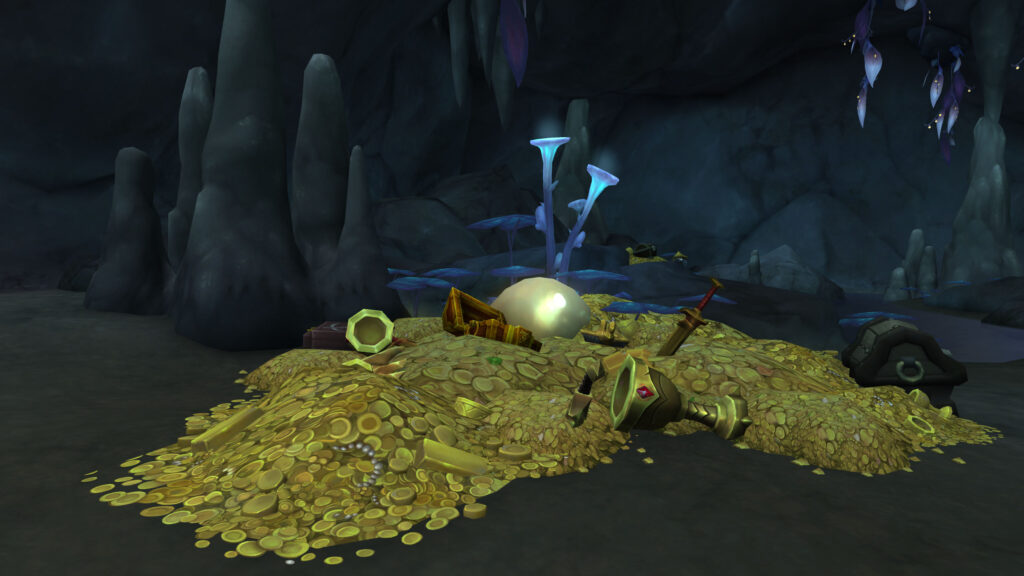
Store a stock of each in your bank or bags so you can switch gems between dungeon runs or boss fights. Filling sockets with these high-value gems gives you clear stat gains per gold spent, often exceeding the boost from a single enchant—especially when you have multiple sockets to fill. This approach ensures your WoW SoD Gold goes directly into gear pieces that scale with your progression and boost your performance efficiently.
Runed Trinkets and Special Upgrades
Runed trinkets offer a steady bonus that stays active without swapping gear mid‐fight. These trinkets typically grant extra critical strike, haste, or mastery rating. For example, a runed trinket that adds +10 critical strike rating might cost around 900 gold, while one offering +15 haste can run closer to 1,200 gold. To decide if a trinket upgrade fits your plan, compare the stat gain per gold to enchants and gems. If a trinket gives 15 haste for 1,200 gold, that is roughly 0.0125 haste per gold. If socket gems run 0.02 agility or strength per gold, gems may outpace trinkets in pure stat value. But trinkets have the advantage of no slot requirement and no need to find an empty socket.

Some special upgrades fall outside enchants and gems, such as weapon oils and sharpening stones. These consumable items apply temporary buffs that add bonus damage or stat gains for a set number of uses. A stack of 20 sharpening stones might cost 200 gold, granting +10 attack power on each use. Applied before a dungeon pull or boss fight, they boost your output for the entire run. Runed trinkets and these special consumables work best when you want a portable bonus that follows your character across gear upgrades. Keep a small stock of 2–3 trinkets and 20–30 consumable buffs in your bags so you can apply them right before key encounters. That way, every bit of WoW SoD Gold you spend on these items directly raises your performance without waiting on socket availability or enchant slot limits.
Conclusion
Buy WoW SoD Gold on gear upgrades gives you a clear path to higher performance without long farming sessions. First, rank your slots by impact—weapon, chest, trinkets, and so on—so you spend gold where it helps most. Next, calculate current prices for enchants, gems, and runed trinkets, adding a small buffer for shifts. Compare the three upgrade types to see which offers the best stat gain per gold for your gear and class role. Focus on high-value enchants for your major slots, fill multiple sockets with top gems, and consider trinkets when you need portable bonuses.
Stock key crafting materials like dust, rods, and raw gems in a dedicated bank tab to apply upgrades immediately. Finally, set a weekly budgeting plan that breaks large upgrade costs into manageable weekly amounts and adjust as you see real spending data. By following these steps, you turn your WoW SoD Gold into a targeted investment in gear, raising your damage, healing, or durability quickly and efficiently. With a disciplined upgrade path, you stay ahead of content and keep your focus on playing, not farming.
Leave a Reply